
Topic
Mutual Funds vs Index Funds: Costs, Management, and Fit
The two labels answer different questions, and many funds are both at once.
The two labels answer different questions, and many funds are both at once.

A package carrier and a rare-earth miner are being pitched as bubble-proof. The mechanism holds for one better than the other.

Short selling borrows shares and sells them, hoping to buy back cheaper. The mechanics, the missing loss ceiling, and the trade's market role, in plain language.

A CD locks a fixed rate for a fixed term under the FDIC's $250,000 insurance limit, early withdrawal penalties are bank-specific, and a ladder spreads maturities so money frees up on a schedule.

Treasury bills sell at a discount from $100, mature in four to 52 weeks, and skip state income tax. Terms, auctions, taxes, and a simple ladder.
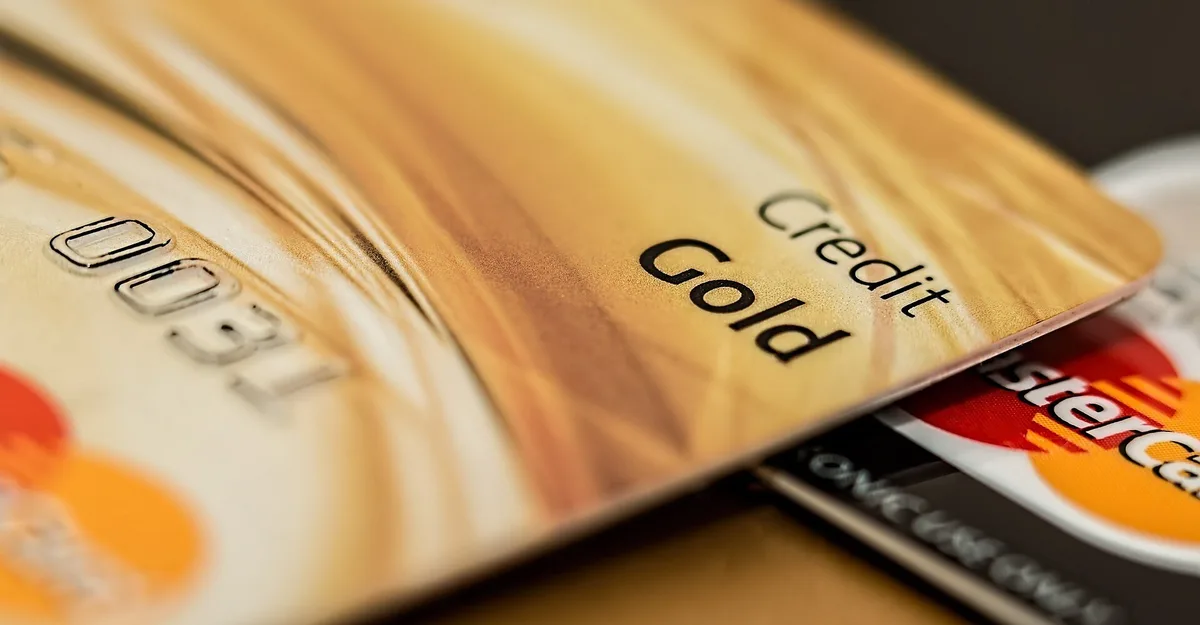
Interest on a credit card builds daily at a rate derived from the APR, applied to the average daily balance, and a grace period can cancel purchase interest entirely when the statement is paid in full.
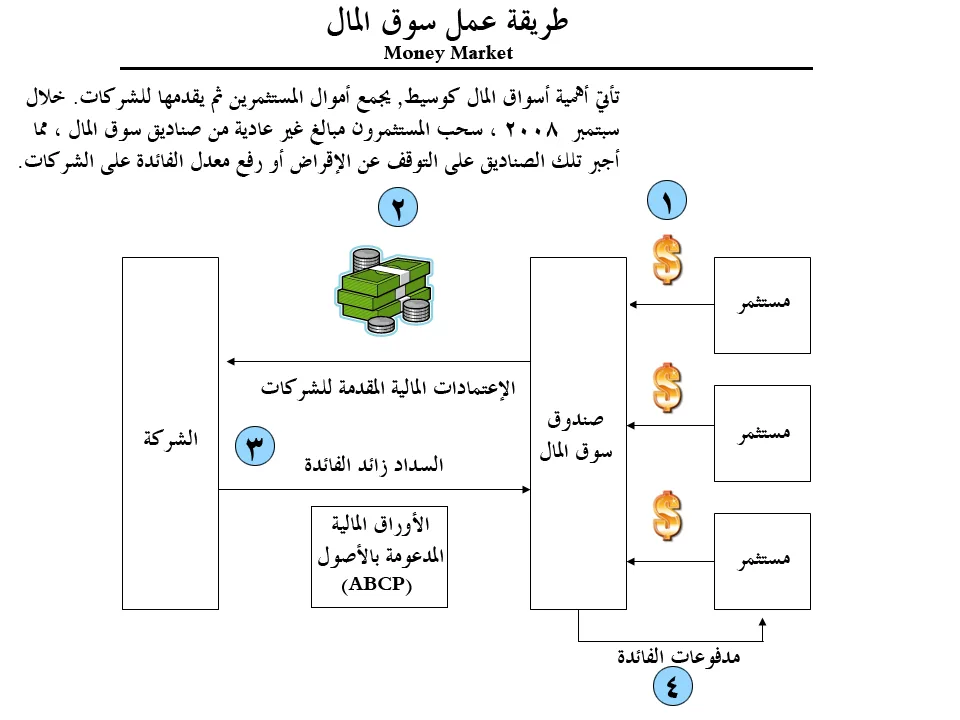
A money market fund holds short-term debt and holds its price near a dollar, with a yield that tracks rates. Where cash fits, and where it does not.

Lululemon and Under Armour dropped 4% each while the retail sector fell 2% — the gap, not the drop, is the signal.

The two styles trade the lead in long, uneven cycles. What drives each, and what a patient investor can actually do about it.

Framing, not facts alone, drives how headlines land — and long-term investors can learn to see the frame.