
Stocks
How S&P 500 Index Additions and Deletions Actually Work
There is no fixed date when stocks rotate into the S&P 500 — a committee decides case by case, and decades of research show the price bump that once followed an…
Stocks explains how to assess an individual company: where revenue comes from and whether it repeats, how much debt sits against it, what a competitor can copy, and which valuation measures apply to the business type. For investors buying single names who want a repeatable checklist.
Company assessment for individual investors: revenue quality, debt levels, competitive position and valuation, with the exact figures worth checking.
There is no fixed date when stocks rotate into the S&P 500 — a committee decides case by case, and decades of research show the price bump that once followed an…

Form 4 shows what corporate insiders bought and sold within two business days — small signals that earn attention only in patterns and in purchases.

Delisting removes a stock from its exchange — your shares survive, but where they trade next, and whether you can sell at all, changes immediately.
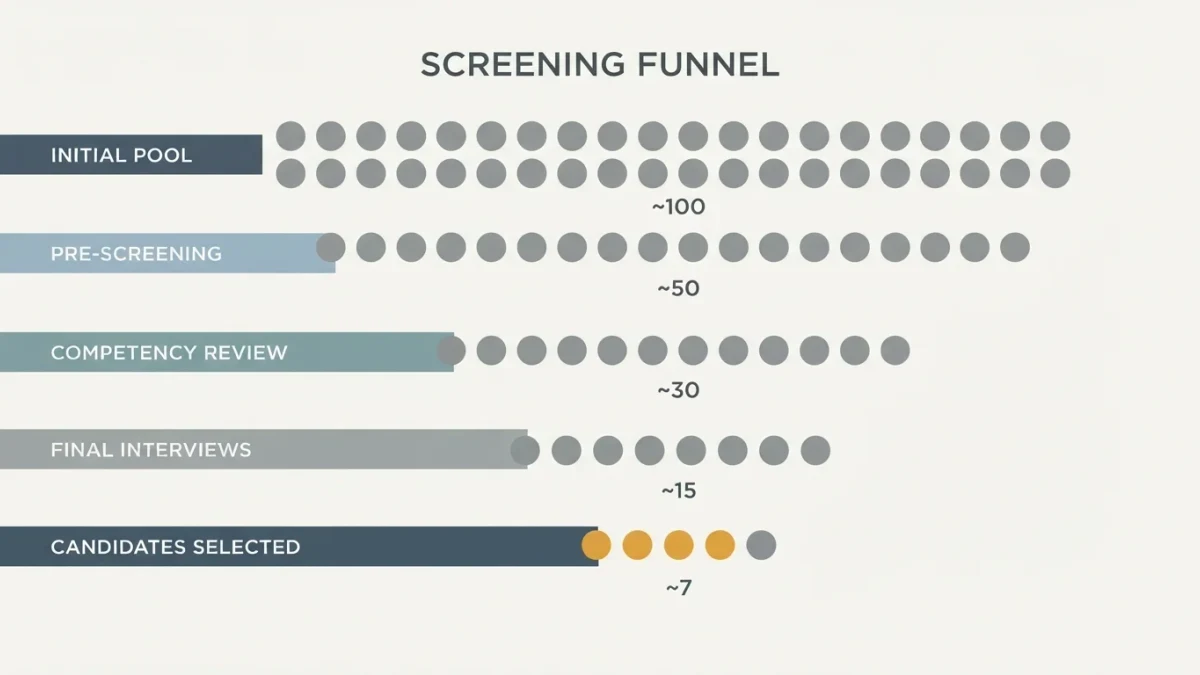
A screener turns the market into a filter stack — powerful for narrowing five thousand names to twenty, useless for deciding which twenty deserve money.

A buyback shrinks the share count, enlarging each remaining owner's slice — mathematically simple, economically honest only when the price paid is below value.